Bulk Milk Protein Concentrate Supplier (MPC 40–85%)
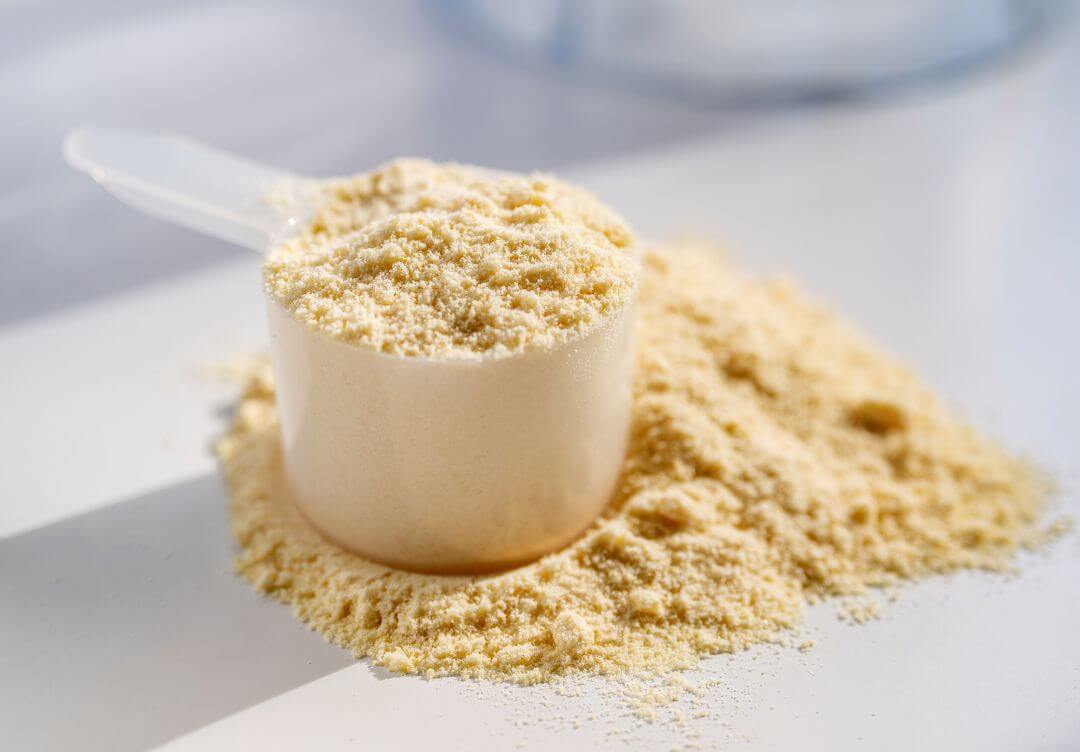
North Central Companies is a U.S. milk protein concentrate supplier that serves food manufacturers, sports nutrition brands, and medical nutrition producers that need reliable access to bulk MPC in different grades. Whether you need to source MPC 70 for dairy applications or MPC 85 for high-protein sports nutrition formulas, we can help you determine the grade you need, confirm its availability, and offer the documentation your procurement and other teams may need.
What Is Milk Protein Concentrate?
Milk Protein Concentrate, or MPC, is a dairy-derived ingredient made by filtering skim milk through filtration membranes. This filtering collects the protein while removing portions of lactose, water, and minerals, creating a powder that ranges from 40% to 85% protein content.
Part of what makes MPC so unique from other dairy products is its protein composition. Proteins like whey protein concentrate (WPC) isolate the whey fraction of milk, but MPC keeps its native protein profile, averaging at about 80% casein and 20% whey. This ratio is a major reason why formulators prefer MPC over whey protein concentrates for various applications. Understanding what MPC can bring to the formulation process is a critical starting point for any sourcing conversation.
The Casein-to-Whey Ratio: Why It Matters for Formulation
Most MPC supplier pages will mention that MPC contains casein and whey, but won’t go into deeper detail than that.
The truth is that casein and whey act very differently in formulation. Whey protein is both quickly digested and highly soluble. Casein takes longer to digest, forming a gel in the process, and supplies the body with a steady release of amino acids over many hours. When your product is trying to improve its satiation levels, overnight muscle support, or slow-release protein profile, considering the distinction between casein and whey is critical.
If you are a formulator trying to decide between MPC and WPC, you should be comparing more than just which offers better protein. The protein profile of an ingredient has a major impact on the finished product. For example, a post-workout RTD beverage that is meant for rapid absorption will have a different impact than a meal replacement drink, medical nutrition formula, or a high-protein dairy product that is meant to support satiety for a long time.
MPC provides a full-spectrum profile as a single ingredient, offering much more value at a lower cost when compared to blending isolates for the same amino acid distribution.
Grades We Supply
North Central sources MPC across the entire grade range. The most commonly purchased grades we sell include:
- MPC 40 and MPC 50: Lower concentration grades that have higher residual lactose. This option is common in dairy food manufacturing, processed cheese, and recombined dairy applications where the full protein concentration of higher grades is not required.
- MPC 70: A mid-range grade used in dairy products, bakery applications, and functional foods where moderate protein enrichment and some residual lactose are acceptable.
- MPC 80: One of the most widely sourced grades. Used across sports nutrition, protein bars, meal replacement products, and dairy fortification. MPC 80 supplier demand has grown significantly alongside the broader protein ingredient market.
- MPC 85: The highest-concentration grade in standard commercial supply. Used in applications that require a high protein-per-serving target with minimal lactose contribution, including sports nutrition, infant formula systems, and clinical nutrition products. MPC 85 supplier availability is tighter than lower grades and warrants early engagement with sourcing partners.
Common MPC Applications
Sports Nutrition and Protein Formulation
Milk Protein concentrate for sports nutrition is a strong fit for any application that can benefit from a sustained-release protein profile. Its casein-dominant composition supports muscle protein synthesis over a longer window than whey proteins, which makes it well suited to meal replacement powders, nighttime recovery products, and high-protein snack formats. It also carries a natural dairy flavor profile that blends cleanly with other ingredients and does not present any off-notes that come with other plant-based alternatives.
Medical and Clinical Nutrition
MPC is widely used in medical nutrition products, oral nutrition supplements, and condition-specific formulations where protein density, amino acid completeness, and digestibility are all required in a single ingredient. It boasts a clean regulatory status and an established safety profile, which makes documentation simple for quality-sensitive applications.
Dairy Food Manufacturing
The lower-grade MPCs are a staple for Dairy Food Manufacturing applications, including recombined milk products, processed cheese, yogurt fortification, and dairy beverages. They allow manufacturers to standardize the protein content of finished dairy products efficiently and cost-effectively.
Bakery and Functional Foods
MPC contributes protein enrichment and functional dairy character to bakery products, nutrition bars, and fortified foods without significantly altering flavor or texture profiles at typical inclusion rates.
MPC vs WPC: Choosing the Right Grade for Your Application
Because milk protein concentrate and whey protein concentrate are not interchangeable, you will need to be sure that you make the right choice for your formulation's protein profile needs.
Whey protein concentrate offers a fast-absorbing and whey-dominant protein profile. This makes it the popular choice for applications related to post-workout and rapid absorption products, and is generally more soluble across a wider PH range.
MPC, on the other hand, delivers the full native casein-to-weight ratio of milk. This makes it the better option for sustained amino acid release, dairy character, Satiety support, or even a closer match to whole milk's protein level.
If you are a manufacturer sourcing whey protein concentrate while looking for better alternatives and a tighter supply environment, MPC may be able to offer you a complimentary or partial substitution solution, depending on your application requirements. Our whey protein concentrate page covers the new WPC supply environment in deeper detail.
North Central sources both of these ingredients and can assist you with your questions about substitution feasibility, grade matching, and documentation continuity.
Frequently Asked Questions About MPC
What is milk protein concentrate?
Milk protein concentrate is a dairy-derived protein ingredient that is produced by ultrafiltering skim milk to remove a portion of lactose in water, which concentrates the protein into a powder. MPC retains its native casein-to-whey ratio of milk, which is roughly an 80% casein and 20% whey ratio.
Is milk protein concentrate the same as whey protein?
Whey protein concentrate isolates the whey fraction of milk and contains primarily fast-absorbing whey proteins. MPC retains the full protein profile of milk, which includes both casein and whey in their native ratio.
Does milk protein concentrate contain lactose?
Yes, but the amount varies significantly, depending on its grade. Lower grades of MPC have more residual lactose than higher grades of MPC. Buyers who have lactose-sensitive formulations or labeling requirements should verify the lactose content of any considered grade level.
What MPC grades does North Central Companies supply?
North Central sources MPC across the complete commercial grade range, from MPC 40 up to MPC85. The availability of these grades varies with market conditions, and you can reach out to us to confirm the availability and lead times of your required MPC grade.
What applications use milk protein concentrate?
MPC is commonly used in sports nutrition powders and bars, meal replacement products, medical and clinical nutrition formulas, processed dairy products, bakery applications, and fortified functional foods.
How is milk protein concentrate different from milk protein isolate?
Both ingredients have a native casein-to-whey ratio of milk, but milk protein Isolate is processed further to achieve 90% or higher protein content, with less residual lactose.
What documentation does North Central Companies provide for MPC orders?
North Central provides standard ingredient documentation including certificates of analysis, product specifications, allergen statements, and country of origin documentation.
Partner with North Central Companies
North Central Companies is known for helping food and beverage manufacturers source bulk milk protein concentrate with greater supply visibility, grade flexibility, and documentation support needed for production obligations. Our dairy ingredients portfolio can provide you with a full range of concentrated and specialty dairy proteins, and we understand the requirements for procurement and quality in this category.
Visit our Dairy Ingredients page and our Specialty Proteins and Powders page to get more information about what we supply, or reach out to us to discuss availability, specifications, and sourcing options.