8 Tips to Integrate a New Product into a Growing Program
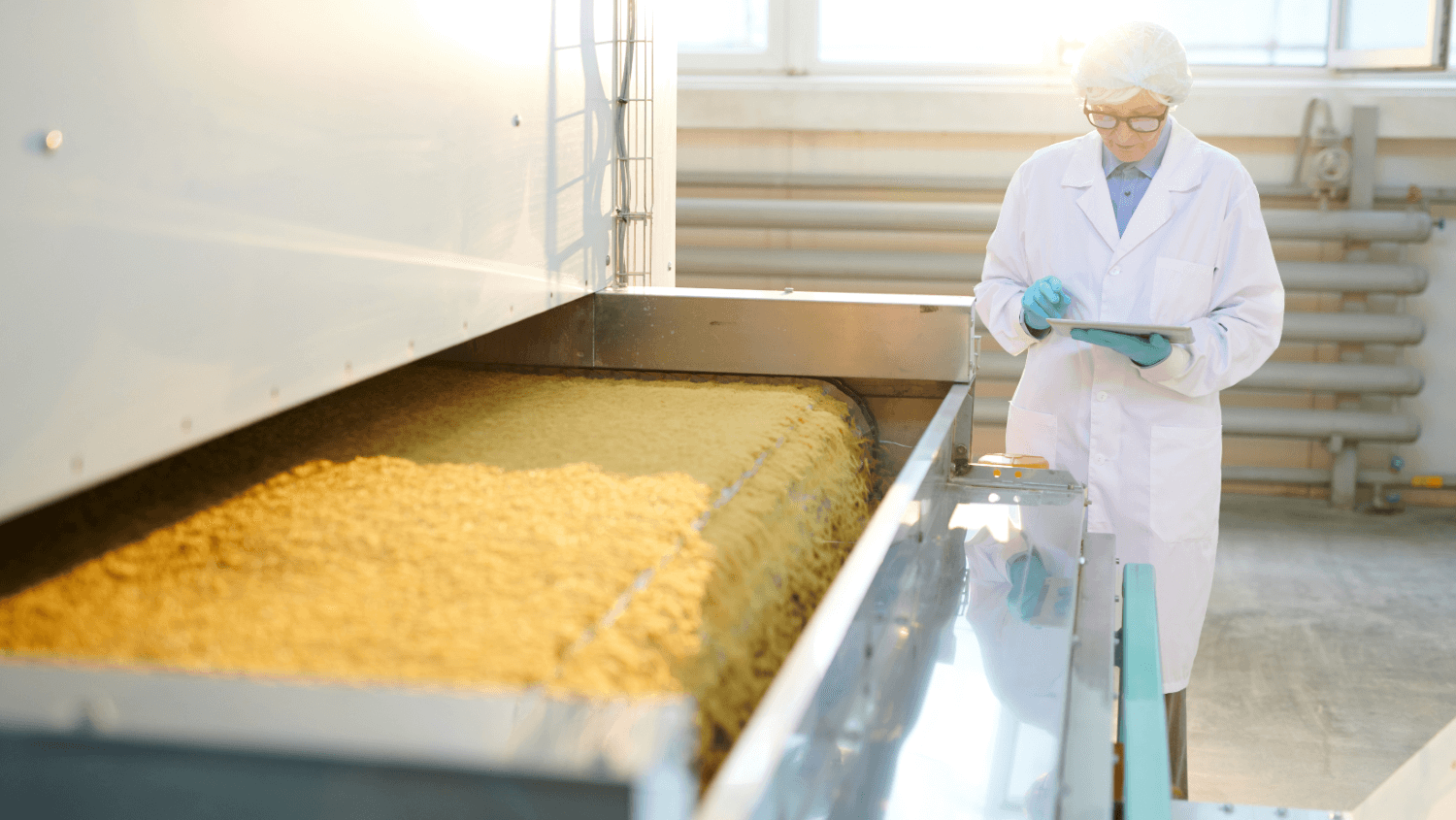
Launching a new food product can be exciting—but it can also bring a lot of questions and challenges. From maintaining consistent quality to ensuring seamless product integration, every step matters in the food product development process. Whether you’re introducing a new ingredient or rolling out a full new food product, following a structured plan ensures your product reaches production smoothly while maintaining the standards your customers expect.
At North Central Companies, we understand the importance of food product development, ingredient integration, and the steps required to take a product from concept to market. In this guide, we’ll provide actionable tips to help you integrate a new food product into your program successfully, while also answering key questions about the food product development process, prototyping, and the stages of product development.
1. Do Your Research Early
Before you begin any food product integration, it’s crucial to understand every aspect of your new product.
This includes:
- Ingredients – How they affect taste, texture, shelf life, and traceability
- Manufacturing process – Compatibility with existing production lines
- Regulatory requirements – Allergens, labeling, and food safety standards
Understanding these details is a key part of the food product development process, which typically consists of five stages:
- Idea Generation – Brainstorming and evaluating new concepts
- Concept Screening – Determining feasibility and market potential
- Prototype Development – Creating small batches or samples
- Testing and Refinement – Gathering feedback and optimizing recipes
- Commercialization – Scaling production and launching the product
Doing thorough research during the early stages ensures a smoother new product rollout process in your food manufacturing operations.
2. Collaborate With Your Team
Your team is your greatest asset during the new food product integration process. Include everyone involved in production, quality assurance, R&D, and marketing.
Discuss:
- Potential issues with new ingredients
- Adjustments needed for the food product development process
- Timeline and responsibilities for integration
Collaboration ensures that everyone understands their role in the food product launch process and reduces errors during the new product rollout process.
3. Develop a Detailed Integration Plan
A well-documented plan is critical to ensure a successful food product integration process.
Include:
- Step-by-step instructions for introducing the new ingredient or product
- Assigned responsibilities for each team member
- Timeline and production milestones
- Contingency plans in case of challenges
This approach aligns with best practices in the food product development process, especially when introducing new ingredients that may impact taste, texture, or production workflows.
4. Create a Food Product Prototype
Before scaling production, develop a food product prototype. Prototyping is essential for new snack ideas or other food innovations and allows you to test and refine your concept before full-scale manufacturing.
Key steps for prototyping a new food product:
- Develop small-batch recipes using the new ingredient
- Test for taste, texture, appearance, and shelf life
- Collect feedback from taste panels and quality teams
- Adjust ingredients or processes as needed before final production
Prototyping helps ensure that your new food product development process results in a product that meets both customer expectations and production requirements.
5. Test Extensively Before Full Production
Testing is a critical step in any food product development process. Conduct multiple rounds of testing to confirm:
- Taste, texture, and appearance
- Compatibility with existing production processes
- Compliance with quality and safety standards
Only after thorough testing should the product move forward to larger-scale production. This ensures your food product integration process is successful and reduces the risk of costly errors.
6. Start Small & Scale Gradually
Introduce the new ingredient or product in limited quantities initially.
Gradually scaling allows you to:
- Monitor production challenges
- Adjust recipes or processes
- Gather early feedback from customers and teams
This phased approach ensures that your new product rollout process (food manufacturing) is smooth and sustainable.
7. Collect & Act on Feedback
Feedback is essential throughout the food product launch process. Encourage team members and customers to share observations.
Focus on:
- Changes in taste, texture, or appearance
- Production or handling challenges
- Opportunities to improve the new food product integration
Rapidly addressing feedback helps you maintain quality and ensures a successful integration into your growing program.
8. Prepare for Challenges
Even with careful planning, challenges can arise, including ingredient supply changes, regulatory updates, or unexpected production issues.
Handle these challenges by:
- Assessing the situation calmly
- Identifying the root cause
- Adjusting the integration plan as necessary
Being proactive and flexible ensures your food product development process stays on track, even when unexpected obstacles occur.
Celebrate & Document Your Success
After successfully integrating your new food product, take the time to celebrate with your team and document the process.
Documentation helps:
- Streamline future new product rollouts
- Train team members on ingredient integration
- Support continuous improvement in your food manufacturing operations
Properly capturing lessons learned ensures your next food product launch is even smoother.
Common Questions About Food Product Development & Integration
What is the food product development process?
It’s the structured approach companies use to take a food idea from concept to market. It includes research, prototyping, testing, scaling production, and launching the product.
How do you create a food product prototype for a new snack?
Start with small-batch recipes using your new ingredient, test for taste, texture, and shelf life, gather feedback from taste panels, and refine the product until it meets your quality standards.
Why is ingredient integration important in food product launches?
Ingredient integration ensures that new ingredients complement existing products, maintain quality, and align with production workflows, reducing risk during the new product rollout process.
How long does it take to integrate a new product into production?
Timing varies based on the complexity of the product and scale of production. A well-planned food product development process with proper testing and prototyping can streamline the timeline.
Why Choose North Central Companies for Ingredient Integration
At North Central Companies, we provide quality-certified ingredients to support every stage of your food product development process. From prototyping to full-scale production, our expertise ensures your new food product to production journey is smooth, efficient, and successful.
Ready to explore new ingredients and enhance your food product launch process? Contact North Central Companies today to get started.