Bulk Pea Protein Supplier: Isolate, Concentrate & Textured
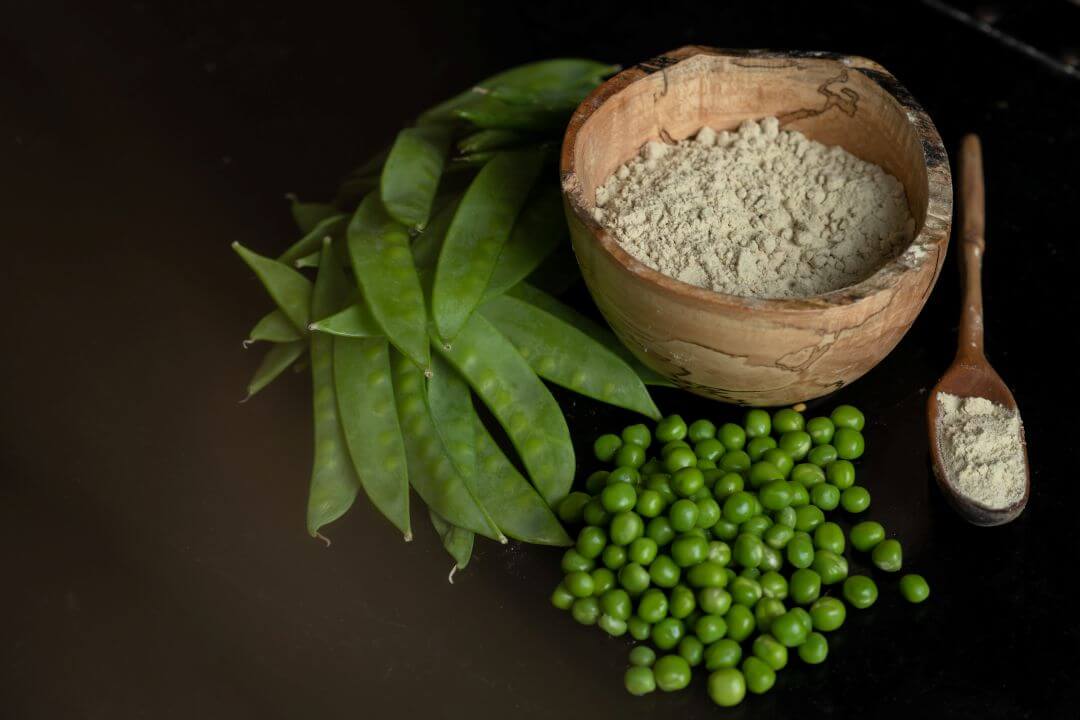
North Central Companies is a U.S. pea protein supplier serving food manufacturers, pet food producers, and sports nutrition brands that need reliable access to bulk pea protein across different grades and sourcing origins. Whether you are building a plant-based meat alternative, bolstering a protein bar, or developing a high-protein pet food, we can help you identify what product best suits your needs, provide full documentation, and keep your supply chain moving smoothly.
Pea Protein Grades We Supply
Pea proteins are available in several different grades, each suited to different formulation requirements. North Central can provide you with all major product types, such as:
Pea Protein Isolate (PPI)
This is the highest-concentration form of pea protein, typically testing at 80% or higher in protein. PPI is produced through wet processing to remove most starches and fiber. Bulk pea protein isolate is widely used in sports nutrition, RTD beverages, protein bars, and other high-protein-per-serving foods. PPI also offers a clean flavor profile, which adds to the benefits of this protein option. Bulk pea protein isolate 80% is most commonly requested by sports nutrition and functional food industries.
Pea Protein Concentrate (PPC)
PPC typically tests between 55% and 70% protein, and is produced through a less intensive process. Pea protein concentrate 55% bulk, and higher-protein concentrates retain more of the pea's natural fiber and carbohydrate content. PPC is a cost-effective option for manufacturers who do not need full isolation, including pet foods, baked goods, and functional flour systems. For buyers considering pea flour in addition to concentrated protein options, we can help you determine what ingredients are the best option for your product.
Textured Pea Protein (TVP-style)
Textured pea protein is made through extrusion and is primarily used as a meat analog base for plant-based meat alternatives. This format offers a chewy texture that many products depend on, including plant-based burgers, sausage, and ground meat products. The demand for this product has been growing significantly with the expansion of plant-based meats.
Common Food Applications
Plant-Based Food & Beverage
The natural flavor of pea protein, broad regulatory acceptance, and clean label profile make it highly versatile as a plant-based protein supplier option. It performs especially well across plant-based meat alternatives, plant-based dairy alternatives, snacks, bars, and baked goods. You can learn more about the possibilities of plant-based proteins at our blog here.
Sports Nutrition & Protein Bars
Pea protein for sports nutrition has come a long way since being just a niche application. Its leucine content, digestibility, and compatibility with other protein blends make it commonplace in bulk pea protein for protein bars and RTD drink formulations.
Pet Food
Pea protein for pet food is a well-established ingredient for both dry and wet pet food. Pea protein is valued for how well it digests in animals and also the clean label positioning it offers. North Central supplies pea protein as part of a broader pet food ingredients portfolio, and we can help you understand the specification and documentation requirements that are specific to it.
Sourcing Origin & the China Tariff Question
This is a subject that many pea protein distributors may avoid, but not us.
The reality is that the global pea protein supply chain is heavily concentrated. U.S. ITC data shows that 96.6% of pea protein purchased by United States customers in 2022 came from China. This level of concentration creates both a cost advantage and a procurement risk, which has only grown significantly more relevant as international trade policy has shifted.
For buyers looking to source bulk pea protein today, the practical questions you should be asking are:
Is your current supplier China-sourced, and how much information do you have surrounding that? Do you have access to North American or European origin alternatives in the event of considerable tariff exposure or supply continuity risks? Does your supplier provide trade compliance documentation, including country-of-origin certificates, tariff classification support, and COAs, all needed to manage that exposure?
We help buyers regularly evaluate the cost and risk tradeoffs between sourcing options while also providing the necessary documentation to support trade compliance. If you are looking for more guidance on this subject, our ingredient sourcing location blog can be a useful resource.
Why Pea Protein in 2026
Pea protein vs. whey is a comparison that many buyers are actively making in 2026. The 2026 whey protein market has experienced a considerable tightening in available supply, driven by protein demand related to GLP-1-friendly foods, sports nutrition consumption, and limited global processing capacity. Our whey protein concentrate page can shed more light on this subject.
Pea protein is one of the most credible structural alternatives, and is non-GMO, gluten-free, allergen-friendly, and available from many different sources and origins. For formulators looking into pea protein vs. soy protein, pea's allergen profile and non-GMO positioning means you can benefit from a clean label advantage with most consumer-facing products.
The demand fueling all of this comes from industries like GLP-1 nutrition, sports performance, plant-based alternatives, and pet food premiumization. Buyers who are able to secure their pea protein supply lines now will be in a better position to meet the coming demand compared to those who wait.
North Central can also supply you with complementary plant proteins, including hemp protein powder and rice protein. Our expertise in specialty proteins and powders and food processing ingredients can give you the advantage you need.
Contact our team to discuss availability, specifications, sourcing origins, and documentation for your pea protein requirements.
Frequently Asked Questions
What is pea protein and how is it made?
Pea protein comes from yellow or green peas through either dry or wet processing. This processing separates protein from starch and fiber. Yellow peas are the most common source of pea protein as they are higher in protein and have a milder flavor.
What's the difference between pea protein concentrate and pea protein isolate?
Concentrate often has between 55% and 70% protein, and retains more of its native fiber and carbohydrate content. Isolate is processed to 80%+ protein and has a cleaner flavor. Isolate is more common for sports nutrition, whereas concentrate is more common in pet food and baked goods.
Where is pea protein produced and what should I know about sourcing origin?
The majority of commercial pea protein is manufactured in China, with smaller volumes from North America and Europe. The origin of these proteins is important for U.S. buyers who are navigating tariff exposure and supply continuity.
Is pea protein a complete protein?
Pea protein is high in essential amino acids, but is lacking in methionine. By blending it with rice protein, you can produce a more complete amino acid profile, which performs well in most food and nutrition applications.
Why are food manufacturers reformulating with pea protein in 2026?
There are several factors driving this shift. Whey supply is tightening; there is a growing demand for clean-label and allergen-friendly ingredients; plant-based category expansion is increasing demand for pea protein, and GLP-1-driven demand for high-protein formats all create an opportunity that pea protein can fill.
Is pea protein non-GMO and gluten-free?
Pea protein is inherently non-GMO and gluten-free. Our team can confirm what available certifications qualify for your sourcing needs.
How is pea protein used in plant-based meat alternatives?
Textured pea protein offers a fibrous structure and chew that resembles that of ground meat. Pea protein isolate is often added to boost protein content and improve binding, which is why it is found in most plant-based burgers, sausages, and ground meat products.
How is pea protein used in pet food?
Pea protein is commonly used in dry kibble and wet pet food as a digestible, plant-derived protein source. Two of its major benefits are its clean-label positioning and consistent availability.