What is Bovine Collagen? A Complete Guide to Uses, Types, and Benefits
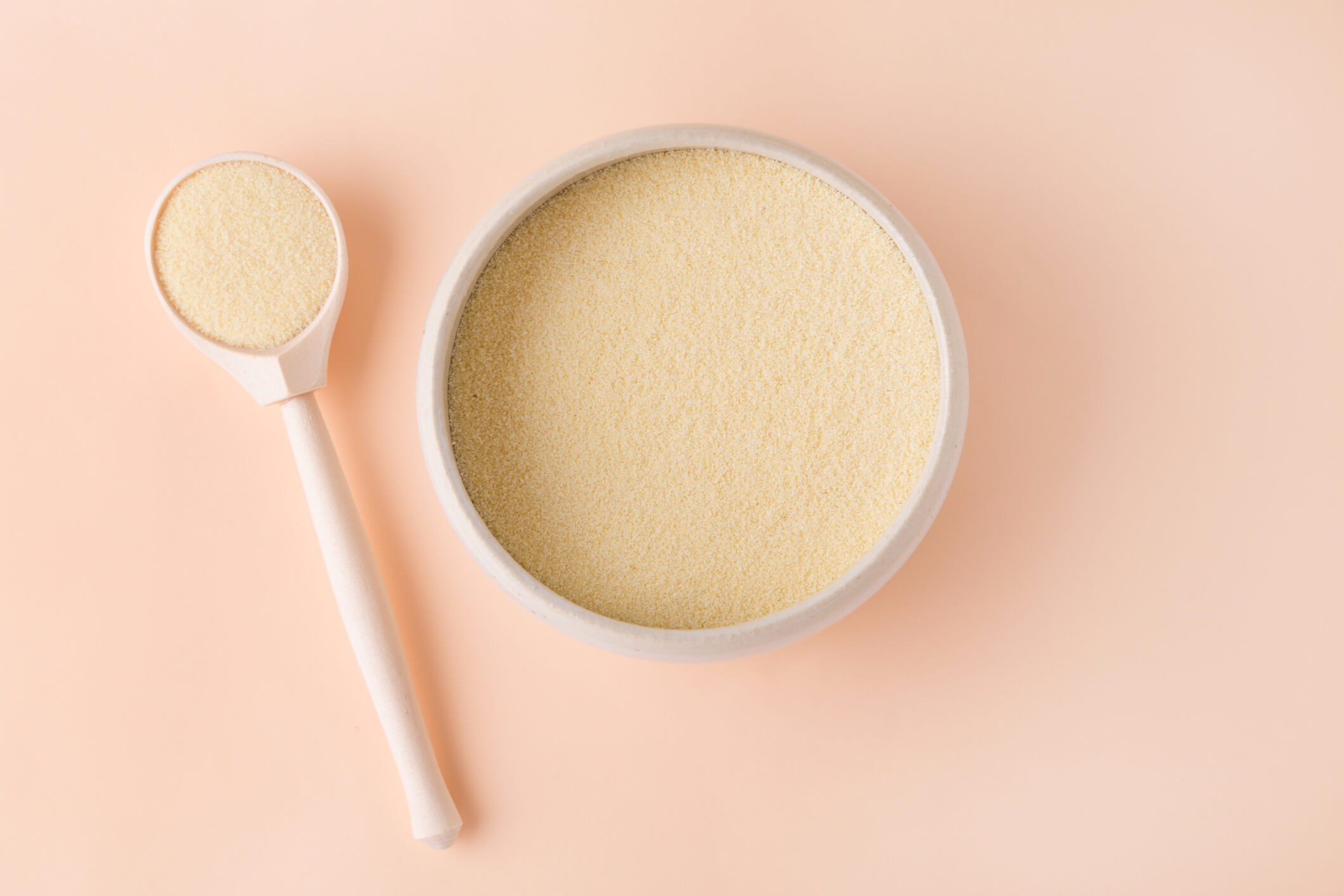
If you’ve spent any time researching functional ingredients, supplements, or food innovation, you’ve likely come across the term bovine collagen. But what is bovine collagen, and why is it showing up everywhere from powders and capsules to beverages and protein bars?
As demand grows for high-performance, functional ingredients, bovine collagen has become a go-to solution for manufacturers across industries. From nutritional supplements to functional foods and beverages, its versatility, bioavailability, and nutritional profile make it a powerful ingredient worth understanding.
This guide breaks down everything you need to know, including what bovine collagen is, how it’s processed, and how it compares to other forms like marine collagen and gelatin.
What Is Bovine Collagen?
Bovine collagen is a natural protein derived from cows, specifically from hides, bones, and connective tissues. It is one of the most abundant proteins used in food, nutraceutical, and industrial applications due to its structural and nutritional benefits.
Collagen itself is the primary structural protein found in the human body, making up a significant portion of skin, bones, tendons, ligaments, and connective tissue.
Bovine collagen is particularly rich in:
- Type I collagen – supports skin, bones, and tendons
- Type III collagen – supports skin elasticity, blood vessels, and gut health
Because of this composition, bovine collagen is widely used in:
- Nutritional supplements
- Functional food formulations
- Beverage applications
- Personal care and wellness products
What Is Hydrolyzed Bovine Collagen?
Hydrolyzed bovine collagen is collagen that has been broken down into smaller, more digestible components through a process called hydrolysis.
During hydrolysis:
- Large collagen molecules are broken into short-chain amino acids (peptides)
- The result is a more bioavailable and easily absorbed ingredient
This form is often labeled as:
- Hydrolyzed bovine collagen
- Collagen peptides
- Collagen hydrolysate
All three terms are often used interchangeably in the industry.
Why Hydrolyzed Collagen Matters
In its natural form, collagen is too large for efficient absorption. Hydrolysis transforms it into a form that:
- Dissolves easily in hot or cold liquids
- Is quickly digested and absorbed
- Integrates seamlessly into food and beverage products
What Are Bovine Collagen Peptides?
Bovine collagen peptides are the final product of hydrolyzed collagen. These are short chains of amino acids derived from collagen protein.
These peptides are rich in key amino acids such as:
- Glycine
- Proline
- Hydroxyproline
These amino acids play a critical role in supporting:
- Skin structure and elasticity
- Joint and connective tissue health
- Muscle recovery and repair
Because collagen peptides are smaller and more soluble, they are:
- Easier to incorporate into formulations
- Faster to absorb in the body
- Ideal for use in powders, capsules, and ready-to-drink beverages

What Is Bovine Collagen Used For?
Bovine collagen is one of the most versatile functional ingredients available today. Its applications span across multiple industries, making it a key ingredient for manufacturers looking to enhance product performance and consumer appeal.
1. Bovine Collagen in Supplements
One of the most common uses for bovine collagen is in dietary supplements.
It is frequently found in:
- Protein powders
- Capsules and tablets
- Collagen peptide blends
These products are designed to support:
- Skin health and elasticity
- Joint mobility
- Bone strength
- Muscle recovery
Hydrolyzed collagen is especially popular in supplements because of its high bioavailability and ease of use.
2. Bovine Collagen in Functional Foods
Bovine collagen is increasingly being used in functional food products to boost nutritional value without compromising taste or texture.
Common applications include:
- Protein bars
- Snack foods
- Dairy products
- Baked goods
Because collagen peptides are neutral in flavor and highly soluble, they integrate easily into a wide range of formulations.
3. Bovine Collagen in Beverages
The rise of functional beverages has created significant demand for bovine collagen in beverages.
You’ll find collagen in:
- Ready-to-drink wellness beverages
- Coffee creamers and add-ins
- Smoothie mixes
- Hydration drinks
Hydrolyzed bovine collagen works particularly well in beverages because it:
- Dissolves quickly
- Remains stable in liquids
- Does not alter taste or texture significantly
4. Industrial and Commercial Uses
Beyond food and supplements, bovine collagen is also used in:
- Pharmaceutical applications
- Cosmetics and skincare
- Medical materials and wound care
Its structural properties and compatibility with the human body make it a valuable ingredient across industries.
Bovine Collagen vs Marine Collagen
One of the most common questions is how bovine collagen compares to marine collagen.
Key Differences
Source
- Bovine collagen: Derived from cows
- Marine collagen: Derived from fish skin and scales
Collagen Types
- Bovine: Types I and III
- Marine: Primarily Type I
Absorption
- Marine collagen peptides are often smaller, which may lead to slightly faster absorption
- Bovine collagen still offers excellent bioavailability when hydrolyzed
Applications
- Bovine: Broad use (joints, gut health, overall wellness)
- Marine: Often marketed for skin-focused benefits
Which Is Better?
There’s no one-size-fits-all answer.
- Choose bovine collagen for versatility and full-body support
- Choose marine collagen for targeted skin-focused formulations
For manufacturers, bovine collagen often stands out due to:
- Cost-effectiveness
- Scalability
- Wider application potential
Bovine Collagen vs Gelatin
Another common comparison is bovine collagen versus gelatin.
What Is Gelatin?
Gelatin is essentially partially hydrolyzed collagen.
Key Differences
Processing
- Collagen peptides: Fully hydrolyzed
- Gelatin: Partially hydrolyzed
Solubility
- Collagen peptides dissolve in hot and cold liquids
- Gelatin only dissolves in hot liquids and forms a gel when cooled
Functionality
- Collagen peptides: Used for nutrition and supplementation
- Gelatin: Used as a thickener or gelling agent in foods
When to Use Each
- Use bovine collagen peptides for:
-
- Supplements
- Beverages
- Functional foods
- Use gelatin for:
- Gummies
- Desserts
- Thickened products
They come from the same source but serve very different purposes in formulation.
What Is Hydrolyzed Collagen vs Collagen?
To clarify a common point of confusion:
- Collagen (raw form) = Large, complex protein that is hard to absorb
- Hydrolyzed collagen (collagen peptides) = Broken-down form that is easy to digest and use
Hydrolyzed collagen is the preferred form for:
- Supplements
- Functional ingredients
- Food and beverage applications
Because it delivers the same amino acids in a more usable form.
Why Bovine Collagen Is a Leading Functional Ingredient
Bovine collagen continues to gain traction across industries for several key reasons:
1. High Bioavailability
Hydrolyzed collagen peptides are easily absorbed and utilized by the body.
2. Versatility
It works across supplements, foods, and beverages without impacting taste or texture.
3. Nutritional Value
Provides essential amino acids that support structural proteins in the body.
4. Scalability
Bovine sources are widely available, making it a cost-effective solution for large-scale production.
Why Manufacturers Choose Bovine Collagen
As consumer demand for functional, high-performance ingredients continues to grow, bovine collagen has emerged as a foundational ingredient in modern product development.
Whether used in:
- Bovine collagen powder for supplements
- Hydrolyzed collagen peptides in beverages
- Functional food innovation
…it delivers the performance, flexibility, and nutritional value today’s market demands.
For brands looking to stay competitive in the evolving health and wellness space, understanding and utilizing bovine collagen isn’t just an option, it’s a strategic advantage.
Looking for a Trusted Bovine Collagen Supplier?
At North Central Companies, we provide high-quality bovine collagen ingredients and logistics tailored for supplements, food manufacturing, and beverage innovation.
Contact us today to learn how we can support your next formulation.