How to Find Restaurant Ingredient Suppliers: A Complete Guide for Restaurants & Foodservice Operators
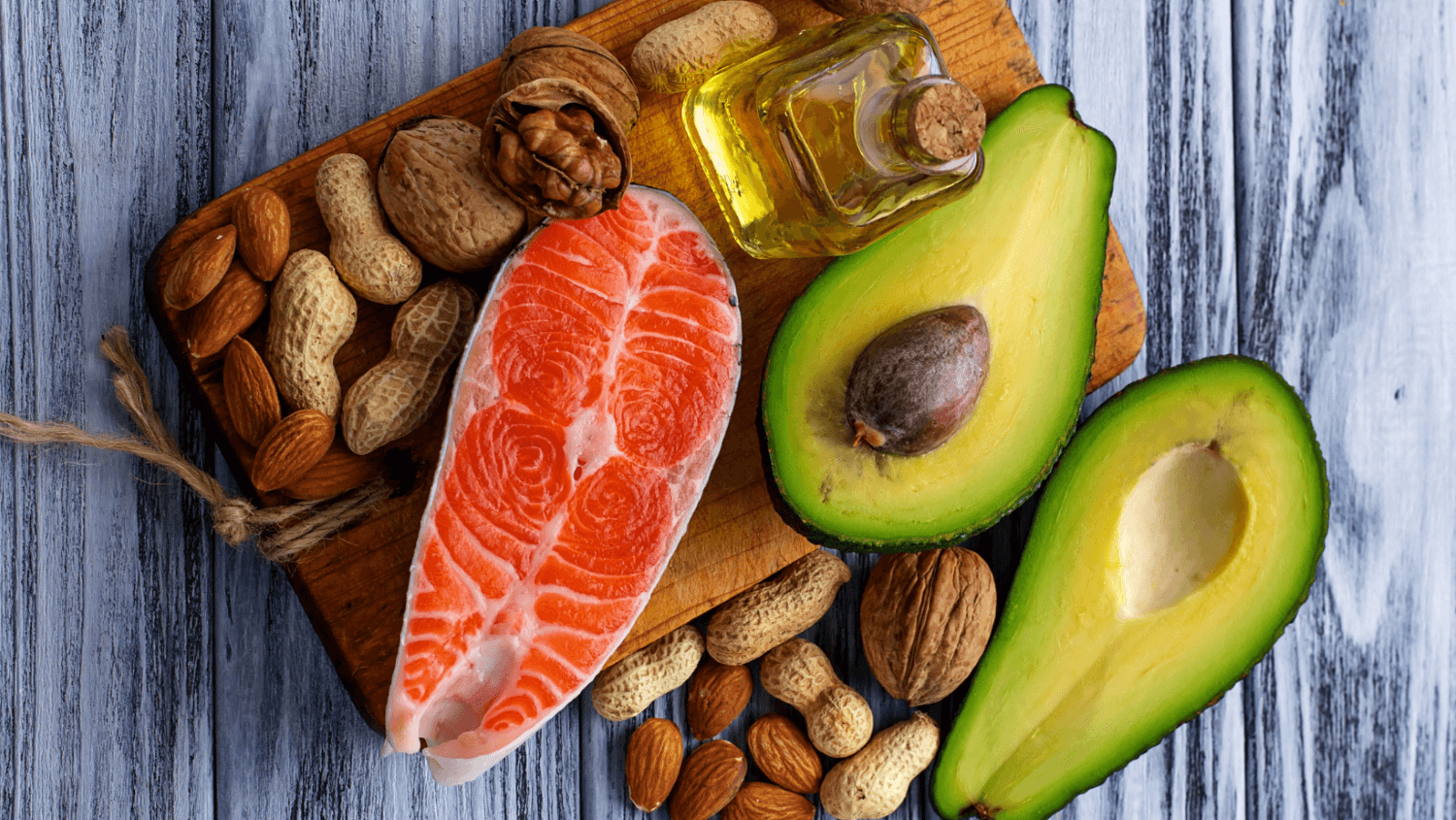
Opening your first restaurant? Maybe you are evaluating new sourcing options for an established operation. Regardless, choosing the right restaurant ingredient supplier is one of the most important decisions you’ll make. Your ingredients and their quality directly influence everything from flavor, consistency, and food safety, to cost control and customer satisfaction. With today’s supply chain complexities, rising ingredient costs, and the growing demand for organic and local foods, selecting the right partner matters more than ever.
Many owners turn to a wholesale restaurant food distributor to streamline procurement, while others prefer working with regional growers, manufacturers, or specialty brokers who offer product expertise and flexibility. But with so many choices, how do restaurants source ingredients effectively and confidently?
This guide breaks down exactly how you can find, compare, and evaluate the top-rated restaurant ingredient suppliers in the U.S., with insights into quality, functionality, pricing, logistics, and supplier relationships. Whether you're sourcing bulk oils, proteins, bakery ingredients, organic items, or specialty imports, the right approach can save you time, reduce risk, and elevate your menu.
Why Restaurant Ingredient Sourcing Matters More Than Ever
Ingredient sourcing isn’t simply about finding the lowest price. The composition, freshness, and functionality of each ingredient can dramatically affect your final product. Even minor variations like the melt point of a fat, the moisture content of a flour, or the origin of a spice can influence texture, taste, stability, and appearance.
Small inconsistencies can:
- Alter food quality
- Impact customer experience
- Affect shelf life
- Increase waste
- Harm brand reputation
For restaurants, bakeries, manufacturers, and foodservice concepts, choosing the right ingredients and the right suppliers protects product integrity and keeps operations running smoothly.

Key Factors to Consider When Choosing a Restaurant Ingredient Supplier
1. Ingredient Quality & Transparency
Any reliable restaurant ingredient supplier should be able to prove the quality, origin, and safety of their products. High-performing restaurants consistently vet their suppliers to ensure ingredients:
- Meet strict quality standards
- Maintain freshness throughout the supply chain
- Have clear, credible documentation
- Are sourced ethically and sustainably when possible
Today’s restaurants place greater emphasis on transparency. Verifying that ingredients are authentic is essential, especially for premium-priced items such as oils, spices, or organic goods.
How to Judge Ingredient Quality by Category
Vetting quality looks different for each category. Build these quick checks into receiving so problems get caught at the dock, not on the plate:
- Produce: look for vibrant color, firm texture, and no bruising, wilting, or off odors. Confirm harvest or pack dates and cold-chain handling.
- Meat & seafood: expect bright, natural color, a clean (never sour or fishy) smell, firm texture, and temperature-compliant delivery with lot and traceability documentation.
- Dairy: Dairy ingredients should arrive within code dates, sealed, and refrigerated; for functional uses, confirm fat content and processing specs that drive mouthfeel, whipping, and melt.
- Dry goods, flours & starches: verify moisture and protein specs, packaging seals, and lot codes. Small shifts change dough stability and yield.
- Oils & fats: confirm grade, solid-fat content, and freshness (no rancidity). Melt point drives texture in everything from fryer performance to laminated dough. See our fats & oils category for spec guidance.
Ask every supplier for spec sheets, certificates of analysis, and allergen documentation so these checks are verifiable, not guesswork.
2. Ingredient Functionality: How It Performs in Your Recipes
Functionality matters just as much as flavor. Even slight changes in an ingredient’s chemical or physical properties can alter performance.
For example:
- Oils and fats: Too much solid fat creates a waxy texture; too little makes products overly soft or quick to melt.
- Starches and flours: Different moisture or protein levels can change dough stability or consistency.
- Dairy ingredients: Variations in fat content or processing impact mouthfeel, whipping ability, or meltability.
Because functionality can shift during transport or storage, ensuring reliable logistics is key. Working with an experienced wholesale restaurant food distributor or specialized sourcing partner like North Central helps prevent issues like temperature exposure, contamination, or delayed delivery.
3. Pricing & Cost Control
With market volatility and rising costs, restaurants must balance quality and affordability. Comparing suppliers and requesting multiple quotes is essential.
Evaluate:
- Price per unit or pound
- Bulk or long-term contract discounts
- Freight and fuel surcharges
- Minimum order quantities
- Storage or warehousing fees
Many operators also search for affordable organic ingredient suppliers for restaurants. While organic items may cost more initially, long-term partnerships can reduce price fluctuations and improve availability.
What Restaurant Ingredient Costs Look Like Now
Sourcing decisions show up directly on the P&L, so it helps to benchmark against the wider industry. Food cost typically runs 28–35% of revenue, and the metric most operators watch is prime cost (food plus labor) which should stay under about 65% of revenue to keep a location profitable. Margins are thin: industry data puts food costs more than 35% above pre-pandemic levels, with only around 42% of U.S. restaurants profitable in 2024. That pressure is exactly why sourcing strategy matters.
- Food cost by segment: quick-service 28–32%, casual dining 30–34%, and fine dining 32–35% (premium and imported ingredients push the top end).
- Prime cost (food + labor): keep it under roughly 65% of revenue; above that, most locations lose money no matter how busy they are.
- Commodity swings are uneven: recent National Restaurant Association data shows fresh vegetables, finfish, fats and oils, and beef running well above year-ago prices while eggs, butter, pork, and cheese fell, so the right mix depends heavily on your menu.
- Clean-label pressure: rising demand for local and organic ingredients raised costs for roughly 60% of operators, a tradeoff worth planning for.
A distributor that spans multiple categories can smooth some of this volatility, shifting volume between comparable ingredients, locking pricing on high-velocity items, and consolidating freight, so a spike in one commodity doesn’t derail your whole food cost.
4. Supplier Flexibility & Service
Beyond price and product, service quality matters. Look for a supplier who can:
- Deliver consistently
- Adapt to sudden restock needs
- Offer seasonal or alternative ingredient options
- Scale as your business grows
- Provide expert consultation
Delivery timeframes, communication responsiveness, and ease of ordering all directly affect your kitchen workflow.
As restaurants increasingly prioritize local sourcing, many owners also ask, “Where can I find the best wholesale food suppliers for restaurants near me?” A trusted national trader like North Central Companies can connect you with local, regional, and specialty producers to meet quality and price expectations.
A Restaurant Supplier Vetting Checklist
Before you commit to any restaurant ingredient supplier, run each candidate through the same checklist so you’re comparing like for like:
- Certifications & food safety: current SQF, BRC, or equivalent GFSI certification, plus organic, non-GMO, Kosher, or Halal where your menu needs them.
- Documentation: spec sheets, certificates of analysis, allergen statements, and lot-level traceability available on request.
- Product range & consistency: can they supply the categories you need at consistent specs, batch to batch and location to location?
- MOQs & pack sizes: minimums and case, tote, drum, or pallet options that fit your storage and turnover.
- Pricing & terms: unit pricing, contract or volume discounts, freight and fuel surcharges, and payment or credit terms.
- Reliability & logistics: on-time delivery record, cold-chain handling, fill rates, and backup supply during shortages.
- Service & scalability: responsiveness, account support, sampling, and the ability to scale as you add covers or locations.
Score each supplier against these criteria and request samples before signing. Then keep the completed scorecard on file to re-evaluate annually.
How to Negotiate With Restaurant Ingredient Suppliers
Price is only one lever. Once you’ve shortlisted suppliers, negotiate the whole relationship:
- Benchmark first: know current market rates for your key ingredients before you open the conversation.
- Bundle volume: consolidating categories with fewer suppliers earns better pricing and simpler freight.
- Lock high-velocity items: contract or index pricing on your highest-volume ingredients stabilizes food cost against commodity swings.
- Negotiate terms, not just price: delivery cadence, minimums, payment or credit terms, samples, and price-hold windows all matter.
- Ask for alternates: where a recipe allows, flexibility on grade, origin, or pack size can unlock savings and protect availability.
The goal isn’t the lowest quote on one line item, it’s a reliable partner whose pricing, terms, and consistency protect your margins over time.
How Restaurants Source Ingredients (and Which Method Is Best)
Where do restaurants get their ingredients? Most restaurants get their ingredients from a mix of wholesale food distributors, specialized ingredient suppliers and brokers, local farms, and direct-from-manufacturer partnerships, choosing each channel based on volume, menu, and budget.
Most restaurants use a combination of sourcing strategies:
1. Wholesale Food Distributors
Great for bulk items, consistent inventory, and streamlined deliveries.
2. Specialized Ingredient Suppliers or Brokers
Ideal for unique, premium, or high-specification products (oils, fats, bakery ingredients, spices, etc.).
3. Local Farms and Producers
Perfect for fresh, organic, or seasonal items but may require multiple supplier relationships.
4. Direct-from-Manufacturer Partnerships
Often used for custom blends, proprietary recipes, or large-scale multi-unit concepts.
5. Cash-and-Carry & Warehouse Clubs
Useful for last-minute restocks, produce, and fill-in purchases between deliveries. Handy as a backup, but pricing and pack sizes usually aren’t built for high-volume, recurring production.
6. Online Wholesale Marketplaces
Web-based bulk platforms widen your options for specialty, dry, and non-perishable items, often with transparent pricing and reviews. Vet documentation and lead times as carefully as you would any distributor.
Group Purchasing Organizations (GPOs) & Co-ops
Many independents and small groups join a GPO or cooperative to access negotiated pricing they couldn’t secure alone, while larger chains centralize purchasing for the same reason. It’s less a source than a way to buy better from the channels above.
The best approach depends on your menu, volume, budget, and quality expectations.
Restaurant Supplier Types at a Glance
| Supplier Type | Best For | Watch-Outs | Typical MOQ / Lead Time |
|---|---|---|---|
| Broadline / Wholesale Distributor | Bulk staples, consistent inventory, one-stop ordering | Less specialized; fresh items may lag local | Moderate MOQs; scheduled routes |
| Specialty Supplier / Broker | Unique, premium, high-spec items (oils, spices, bakery) | Higher prices; possible supply gaps | Varies; often lower volume |
| Local Farms & Producers | Fresh, seasonal, organic, farm-to-table story | Multiple relationships; seasonal availability | Small lots; short lead times |
| Direct-from-Manufacturer | Custom blends, proprietary recipes, multi-unit scale | Higher volume commitments | Larger MOQs; longer setup |
| Cash-and-Carry / Warehouse Club | Backup and fill-in restocks | Not built for recurring high volume | None; buy on demand |
| Online Wholesale Marketplace | Specialty, dry, and non-perishable variety | Verify documentation and lead times | Varies by seller |
Most operators blend several of these (typically 3–5 suppliers) anchored by a broadline distributor and supplemented with specialty and local sources. A multi-category distributor like North Central can cover several columns at once, which is how operators cut the number of vendor relationships they manage.
Not sure which mix is right for your operation? North Central’s food ingredient supplier and distribution team can source across categories (oils, dairy, sweeteners, proteins, and specialty imports) on a single order. Request a quote with your ingredient list and volumes.
Frequently Asked Questions About Restaurant Ingredient Sourcing
Where can I get ingredients for a restaurant?
Restaurants source ingredients from wholesale distributors, specialized ingredient brokers, local farms, manufacturers, and organic suppliers. Many combine multiple sourcing channels for better availability and pricing.
How do restaurants source ingredients?
Restaurants typically source ingredients through wholesale distributors, manufacturer partnerships, local growers, or industry brokers who match them with reliable suppliers. The method depends on menu needs, volume, and budget.
What is the average cost of ingredients for a restaurant?
Food costs usually range from 25%–40% of total revenue, depending on the restaurant type, menu complexity, and sourcing method. Premium or organic ingredients, imports, and specialty items may increase costs.
How do I compare ingredient suppliers for restaurants effectively?
Consider quality certifications, pricing, product availability, delivery consistency, customer service, logistics efficiency, and ingredient functionality. Request samples and run internal tests for accuracy.
How do restaurants find local organic ingredient suppliers?
Restaurants can partner with regional co-ops, organic farms, farmers markets, or certified organic distributors. Working with an ingredient broker can also help identify verified organic suppliers that meet budget and volume needs.
Where can I order ingredients for a restaurant in bulk?
You can order restaurant ingredients in bulk through wholesale food distributors and ingredient suppliers that offer case, drum, tote, and pallet quantities with scheduled or on-demand replenishment. A single distributor that stocks multiple categories lets you restock quickly and consolidate freight instead of managing separate vendors.
How do I choose a restaurant ingredient supplier for a chain or QSR?
For multi-unit and QSR operations, prioritize suppliers that can guarantee spec consistency across locations, hold the right food-safety and quality certifications, support custom blends, and scale volume without gaps. A single-source distributor also reduces the number of vendor relationships you manage as you grow.
Restaurant Ingredient Sourcing with North Central Companies
North Central Companies connects restaurants, manufacturers, and foodservice operations with the ingredients they rely on safely, consistently, and cost-effectively. Our experienced team understands supply chain challenges, ingredient performance, and market trends, ensuring that you get exactly what you need, exactly when you need it.
As a single-source restaurant and foodservice ingredient supplier, we consolidate oils and fats, dairy, sweeteners, starches, proteins, and specialty imports onto one documented order—with the MOQs, pack sizes, and delivery consistency that multi-unit and QSR operators need.
Ready to simplify your ingredient sourcing?
Contact North Central Companies today to speak with an expert. Send us your ingredient list and volumes for a bulk quote, samples, and current spec sheets.