Label Claims Consumers Actually Care About in 2026
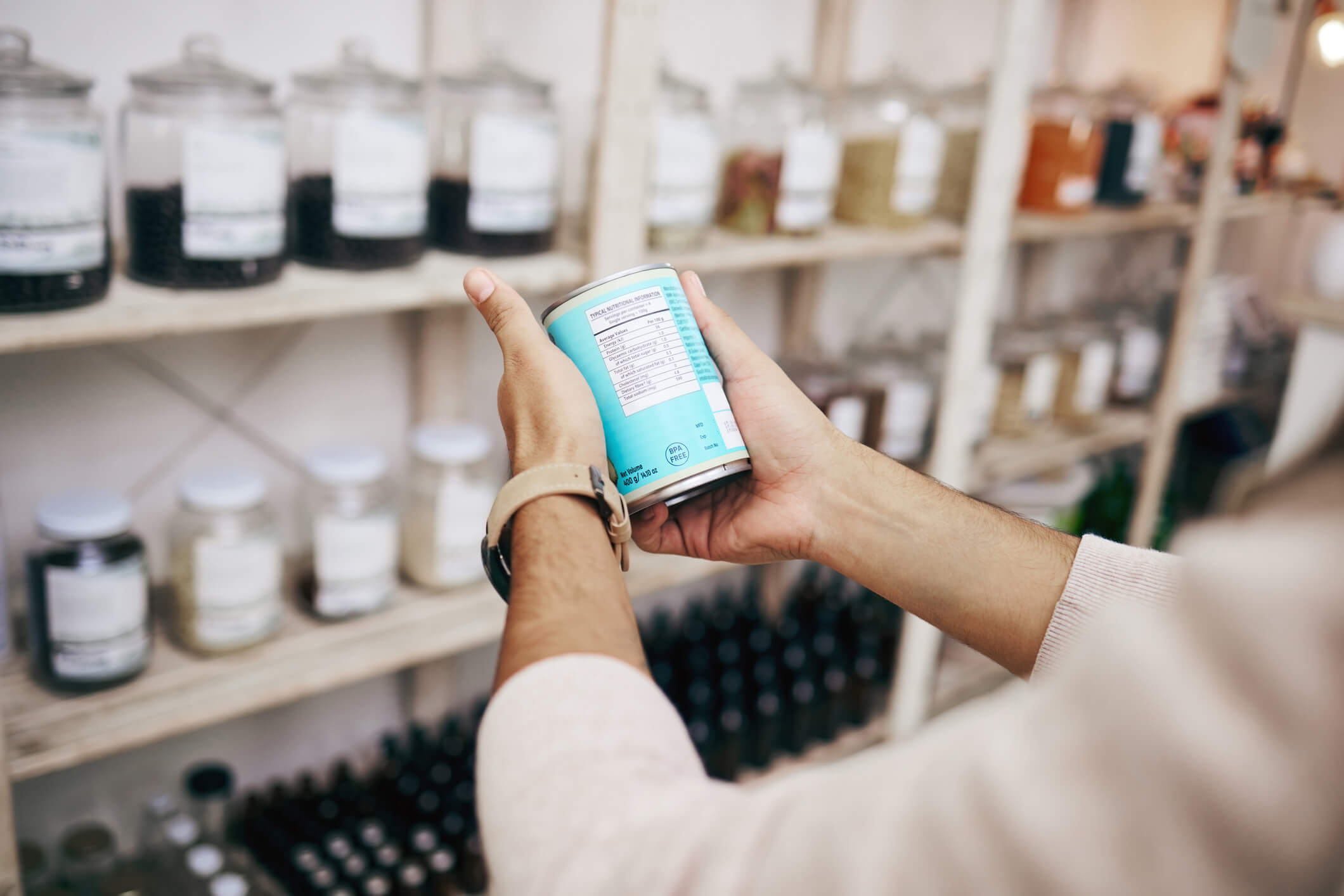
In the modern grocery aisle, packaging does more than just hold a product, it tells a story. Today’s shoppers scan labels quickly, looking for signals that align with their health goals, values, and expectations for transparency. That means the right label claim can influence whether a product gets picked up or passed over.
As we move along into 2026, food manufacturers are rethinking how they communicate product benefits. The most effective clean label claims go beyond buzzwords. They clearly tell consumers what’s inside the product, what’s not inside the product, and why it matters.
So what exactly are the label claims consumers want today? And how should food brands shape their label claim strategy to stay competitive?
Below, we break down the most important food label claims 2026, explore emerging label claim trends 2026, and explain how manufacturers can choose claims that resonate with modern shoppers.
Why Clean Label Claims Continue to Grow
For years, consumers have been pushing food brands toward simplicity and transparency. The demand for clean label ingredients isn’t slowing down. in fact, it’s becoming the baseline expectation for many categories.
Clean labeling generally refers to foods made with simple, recognizable ingredients and minimal additives. While there’s no single regulatory definition, consumers typically associate clean labels with:
- No artificial ingredients
- Ingredient transparency and traceability
- Short, easy-to-understand ingredient lists
- Minimal processing
- Ethical sourcing claims
These expectations have driven the surge in clean label claims across everything from snacks and dairy to beverages and pet food ingredients.
For manufacturers, this means communicating ingredient quality clearly and honestly. Consumers are looking for signals that help them quickly identify products aligned with their priorities.
The Clean Label Claims Shoppers Look For First
Some clean label claims have become almost mandatory in certain food categories. When shoppers compare products, they often scan for specific signals before they even read the ingredient list.
Here are several of the label claims consumers want most in 2026.
No Artificial Ingredients
The phrase no artificial ingredients remains one of the most powerful claims on packaging. Consumers increasingly associate artificial additives with overly processed foods, which drives them toward products positioned as natural or minimally processed.
This claim often appears alongside other ingredient-focused messages that reinforce a clean label positioning.
No Artificial Preservatives
The claim, “no artificial preservatives”, continues to perform well in categories like sauces, snacks, meat products, and baked goods. Consumers tend to interpret this claim as a sign of freshness and simplicity.
Food manufacturers often support this claim by highlighting natural preservation methods, such as vinegar, salt, or fermentation.
No Artificial Colors
Bright colors in foods, especially those marketed to children, are receiving increased scrutiny. As a result, “no artificial colors” is becoming an increasingly visible claim across snacks, cereals, beverages, and desserts.
Products using vegetable juices, spices, or fruit extracts for color often emphasize this as part of their clean ingredient story.
No Artificial Flavors
Flavor transparency matters too. Claims like no artificial flavors reassure shoppers that the taste of a product comes from real ingredients rather than synthetic compounds.
When paired with clean ingredients, this claim can strengthen consumer trust in the product’s overall quality.
Nutrition Claims Still Drive Purchasing Decisions
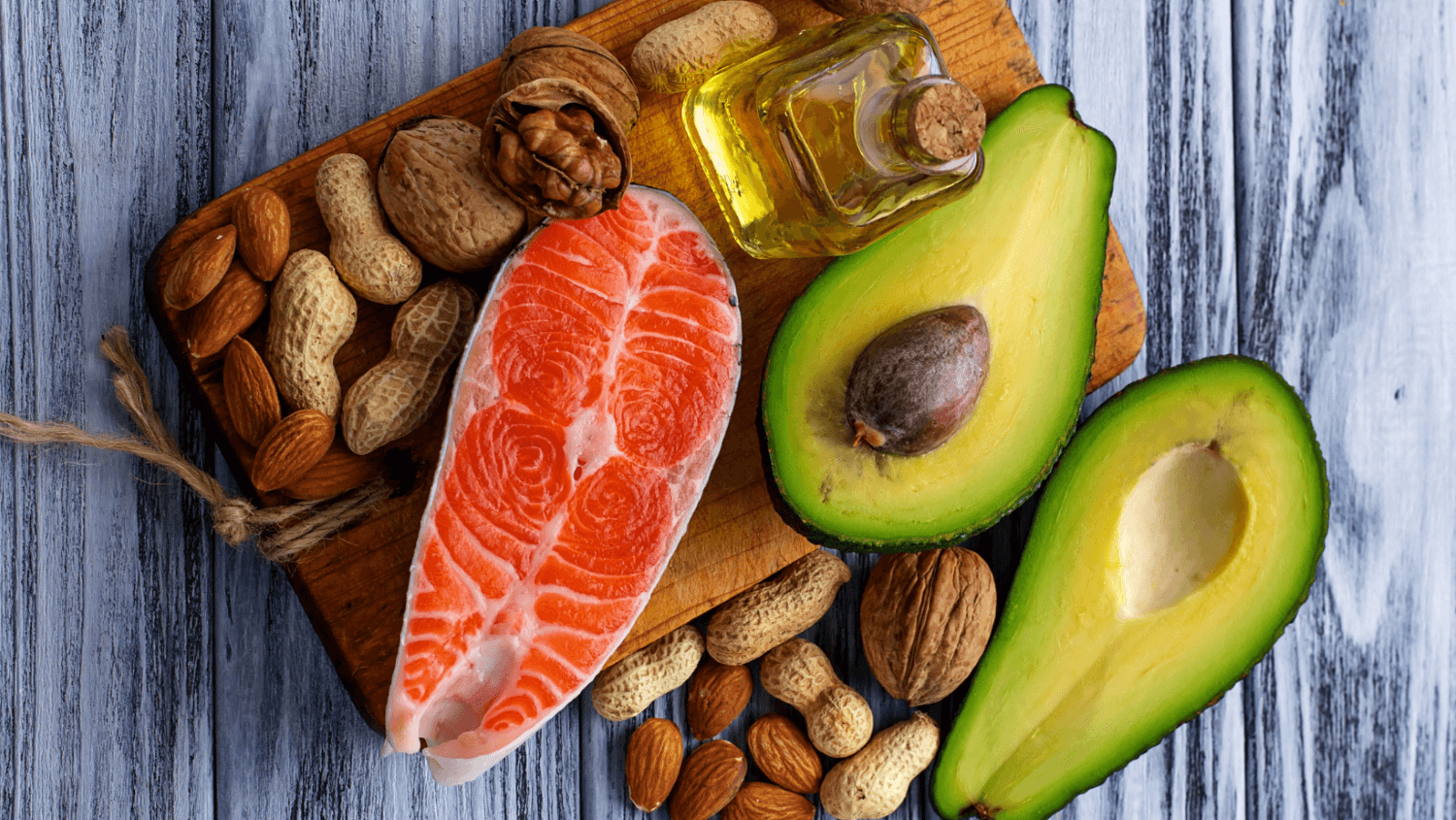
While ingredient transparency is critical, nutrition-focused claims continue to influence purchasing decisions. Many shoppers are trying to improve their diets while balancing convenience and taste.
That’s why front of pack claims highlighting key nutrients remain extremely effective.
High Protein or Good Source of Protein
Protein continues to dominate nutrition messaging. Claims such as high protein claims or good source of protein appeal to consumers looking to support fitness goals, satiety, or weight management.
You’ll see these claims across a wide variety of products, including:
- Yogurt
- Snack bars
- Ready-to-drink beverages
- Pasta alternatives
- Frozen meals
- Plant-based protein
High Fiber or Good Source of Fiber
Fiber is another nutrient gaining attention. Claims like high fiber claims or good source of fiber resonate with consumers interested in digestive health and heart health.
Many brands are reformulating products to boost fiber content through whole grains, legumes, or functional ingredients.
Low Sugar Claims
As consumers become more aware of sugar’s role in health concerns, low sugar claims continue to gain traction.
Manufacturers often support these claims through:
- Reduced sugar formulations
- Natural sweeteners
- Alternative sweetening strategies
These claims are particularly important in beverages, snacks, cereals, and yogurt.
Low Sodium Claims
With cardiovascular health still a major concern, low sodium claims remain relevant across packaged foods.
Ethical & Sourcing Claims Are Still Important
Beyond nutrition and ingredients, consumers increasingly care about how food is produced. Ethical sourcing and animal welfare claims remain strong contributors to purchasing decisions.
Several claims stand out in label claim trends 2026.
Grass Fed Claim
The grass fed claim is commonly used in meat and dairy categories. It signals a more natural feeding approach and is often associated with sustainability and improved animal welfare.
Cage Free Claim
Egg products frequently highlight the cage free claim, which indicates hens are not confined to cages.
This claim appeals to consumers who prioritize animal welfare when choosing products.
Free Range Claim
Similarly, the free range claim suggests animals have access to outdoor spaces. Like cage free labeling, this claim reflects consumer demand for more humane farming practices.
These sourcing claims often work best when paired with transparent labeling that provides additional context about farming practices.
The Growing Importance of Transparent Labeling
Consumers want to know more than just what’s in their food. They want to know why ingredients are used and where they come from.
That’s why transparent labeling and ingredient transparency are becoming defining elements of modern food packaging.
Transparency may include:
- Simple ingredient lists
- Clear explanations of unfamiliar ingredients
- Sourcing information
- Production practices
- Certifications
When brands communicate openly about clean ingredients, they build trust and credibility with consumers who are increasingly skeptical of marketing claims.
The Role of Front-of-Pack Claims
Shoppers often make purchasing decisions in seconds. Because of this, front of pack claims play an huge role in product success.
These claims provide a quick snapshot of the product’s key benefits without requiring consumers to read the full ingredient list or nutrition panel.
When used strategically, these claims help shoppers quickly identify products that match their dietary preferences.
However, clarity is key. Too many claims on the front of packaging can overwhelm consumers and dilute the product’s main message.
What New Food Label Claims Will Be Allowed in the US Starting 2026?
Food labeling regulations continue to evolve as regulators respond to consumer demand for clarity and accuracy.
Starting in 2026, several regulatory updates and proposed initiatives are expected to influence food label claims 2026 in the United States. While many claims already exist, regulators are placing greater emphasis on standardization and transparency, particularly for front-of-pack labeling.
Several developments include:
- Expanded guidance on “healthy” claims
Regulatory agencies have proposed updated definitions for the “healthy” claim to better reflect current dietary guidance. Foods may need to meet new nutrient thresholds to use this label. - Greater scrutiny of “natural” and clean label messaging
While still not strictly defined, claims related to natural or clean ingredients are receiving more attention to ensure they are not misleading. - Potential front-of-pack nutrition labeling systems
Some regulatory proposals aim to create clearer front-of-pack nutrition signals that help consumers quickly identify healthier choices. - Improved transparency around sourcing claims
Claims like grass fed, organic. cage free, and free range are expected to see clearer guidelines regarding how they can be used and verified.
For manufacturers, these changes highlight the importance of building a label claim strategy that aligns with both consumer expectations and regulatory requirements.
How to Choose Label Claims That Actually Sell
With so many possible claims, it’s easy for brands to overload packaging. But effective labeling focuses on the claims that matter most to consumers in a specific product category.
Here are several best practices when deciding how to choose label claims.
1. Prioritize the Claims Consumers Care About
Start by identifying which label claims to sell in your category.
For example:
- Protein claims in snacks and beverages
- Low sugar claims in drinks and cereals
- Clean ingredient claims in sauces and packaged meals
Understanding consumer expectations helps ensure your packaging highlights the most meaningful benefits.
2. Support Claims with Clear Ingredients
Claims must align with the ingredient list. If a product promotes clean ingredients, the ingredient list should reflect that promise.
Consumers notice inconsistencies quickly.
3. Avoid Claim Overload
Trying to include every possible benefit can backfire. Focus on the strongest two to three front of pack claims that clearly communicate the product’s value.
4. Build Trust Through Transparency
Consumers appreciate honesty. Providing context through transparent labeling and ingredient transparency can reinforce credibility and brand loyalty.
Set Your Business Up for Success With North Central Companies
At North Central Companies, we work closely with food manufacturers to help bring products to market with clean ingredients, transparent labeling, and formulations that support the label claims consumers want most. Whether you're developing a new product or refining an existing one to meet evolving food label claims for 2026, North Central Companies can help you identify the right ingredient solutions to support your goals.
Contact North Central Companies to explore our services and ingredient list that help you deliver the clean label claims consumers are looking for.