Keto/Paleo-Friendly Sweetening Ingredients
(Updated 12.15.2025)
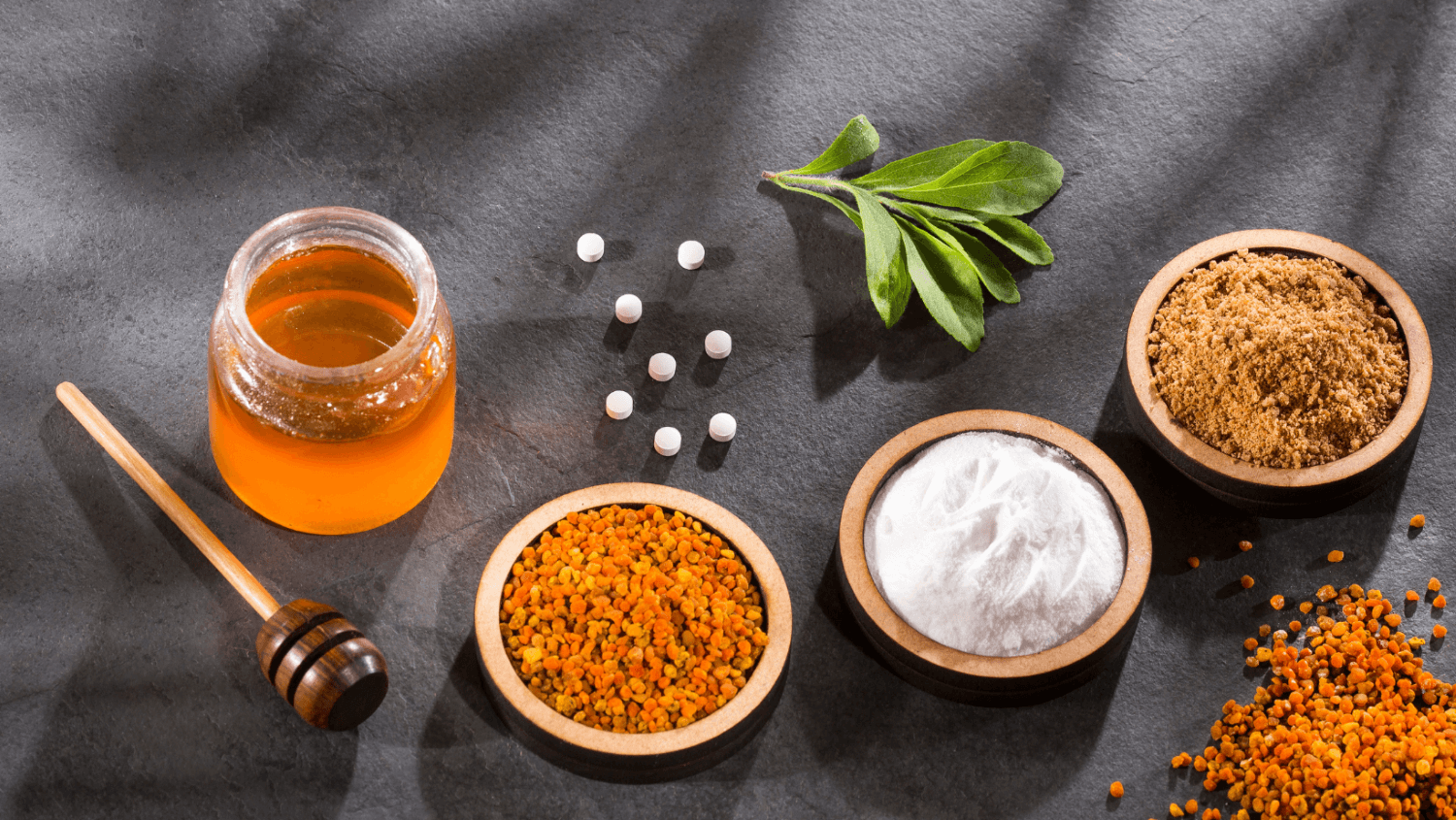
Keto and paleo shoppers often ask the same question in different ways: “Which sweetener fits my diet?” There are many sweetening ingredients that you can use in your paleo or keto diet recipes to replace the sugars, syrups, and other sweeteners. If you’re formulating “keto-friendly” or “paleo-friendly” products, the bigger challenge is balancing label expectations, sweetness profile, and ingredient functionality.
Below is a practical guide to common sweeteners used in product development.
Quick Answers: Keto Sweeteners vs Paleo Sweeteners
Note: “Paleo-friendly” can vary by program and by how strict someone is about processing. Use this as a general guide—not dietary advice. Some certifications have specific standards.
| Sweetener | Keto-friendly? | Paleo-friendly? | Quick Note |
|
No |
No | Refined sugars are usually excluded in paleo patterns. | |
| Coconut sugar | Not ideal | Often yes (in moderation) | Still sugar, just less processed than cane sugar. |
| Honey | Not ideal | Often yes (in moderation) | Commonly treated as a “paleo-allowed” natural sweetener. |
| Agave nectar | No | No | Many sources consider it heavily processed/high fructose. |
| Stevia | Yes | Often yes (if pure) | Watch blends with fillers/additives. |
| Monk fruit | Yes | Often yes (if pure) | Often paired with erythritol/allulose for bulk. |
| Allulose | Yes | Depends | Certified Paleo standards may not allow it when corn-derived/processed. |
| Erythritol | Yes | Depends | Some paleo perspectives avoid sugar alcohols due to processing. |
| Yacon syrup | Sometimes | Depends | Can fit keto macros for some, but use matters. |
Keto-Friendly Sweeteners (What Formulators Use Most)
Keto customers are usually looking for sweetener options that minimize net carbs and avoid big blood sugar spikes. Common keto-friendly sweeteners used in product development include stevia, monk fruit, erythritol, xylitol, sucralose, allulose, and yacon syrup. The best choice depends on taste, texture, and application. High-intensity sweeteners (like stevia/monk fruit) often need a bulking partner (like erythritol or allulose) to mimic sugar’s body and mouthfeel.
Paleo Sweeteners (What Formulators Use Most)
Many paleo eaters prefer minimally processed sweeteners and use them sparingly. Honey, maple syrup, and coconut sugar are commonly discussed as “paleo-allowed” options. Refined sugars and many highly processed sweeteners are often discouraged. Though, strictness varies. Most paleo approaches exclude refined sugars like cane sugar because they’re heavily processed and don’t align with the “whole, unprocessed foods” focus.
Stevia
One of the most popular and well-known keto-friendly options is stevia. It is a natural plant extract that has been extensively studied for its potential health benefits. While stevia doesn't have the same sweetness as sugar, it can be used to sweeten without adding calories or raising blood sugar levels. Stevia is also paleo friendly if it is pure. The most common issue is that many stevia products are blended with other ingredients that stricter paleo followers avoid.
Monk Fruit Extract, Xylitol, and Erythritol
Other popular keto-friendly sweeteners include monk fruit extract, xylitol, and erythritol. These sweeteners are all low in calories and have a negligible impact on blood sugar levels, making them ideal for people following a ketogenic diet.
Monk fruit
Like stevia, monk fruit is a natural plant extract that can be used to add sweetness to foods and beverages without calories or blood sugar spikes. Monk fruit also has a long history of use in traditional Chinese medicine, where it was traditionally used as an anti-inflammatory remedy.
Xylitol and erythritol
Xylitol and erythritol are sugar alcohols that are also commonly used in keto recipes. These sweeteners are usually well-tolerated by people with diabetes, as they have a minimal effect on blood sugar levels. Xylitol and erythritol can be found in many processed foods and candies, so be sure to read labels carefully if you're trying to avoid them.
Allulose
Allulose, a naturally occurring monosaccharide, is another option that has recently gained popularity. Allulose is similar in taste and texture to regular sugar, but it's not metabolized by the body like other sugars and syrups. Some sources note that allulose occurs naturally in small amounts in foods. But, paleo certification programs may not allow commercially produced allulose depending on source and processing.
Sucralose
Sucralose, which is often used as a sugar substitute and has been proved to be safe for human consumption, is produced from sugar.
Yacon Syrup
Finally, yacon syrup is a sweetener that comes from the yacon plant and can be used to provide sweetness in ketogenic recipes. Yacon syrup contains a great deal of soluble fiber, making it ideal for people who are trying to increase their fiber intake on the keto diet.
Natural Sweets
If you're looking for something a little different, try using these naturally sweet ingredients to flavor your favorite keto dishes. Maple syrup, honey, and molasses are all great options that can be used in moderation on a ketogenic diet. Coconut sugar is often considered paleo-friendly (in moderation) because it’s less processed than refined cane sugar. But, it’s still sugar and should be treated like an added sugar from a nutrition standpoint.
Implementing these Sugar Alternatives
A great way to use stevia or these other sweeteners in your keto diet recipes is to replace the refined sugar with a paleo-friendly keto sweetener. You can also use them to create desserts like ice cream, pudding, or cookies that don't contain any traditional sugars.
How to Choose the Right Keto-Paleo-Friendly Sweetener for You
When choosing sweeteners for your paleo or keto recipes, be sure to read the label carefully to make sure they are free of added sugars and other unhealthy ingredients.
When selecting a keto- or paleo-positioned sweetener system, consider:
-
Sweetness curve & aftertaste (stevia/monk fruit can be intense; blends can help)
-
Bulking & texture (allulose/erythritol can help mimic sugar’s body)
-
Browning & baking performance (some sweeteners brown faster or behave differently)
-
Digestive tolerance & consumer expectations (especially with sugar alcohols)
-
Label alignment (what your target shopper considers “keto-friendly” or “paleo-friendly”)
Ingredient Sourcing for Keto-Friendly Sweeteners
North Central Companies is your full-service supplier of keto-friendly and paleo sweeteners. Whether you're looking to enhance taste or add nutritional value, we can find the right diet-friendly sweeteners for your recipes or products. Contact us today to get started!